

How Many Grafts Do I Need? How Surgeons Work Out the Number
How surgeons estimate how many grafts you need, why a graft is not a hair, how your donor supply limits the total and how to check the number in a clinic quote.
Whether, when, and how to plan a hair transplant — age, hair loss stage, hairline design, and avoiding common regrets.
How surgeons estimate how many grafts you need, why a graft is not a hair, how your donor supply limits the total and how to check the number in a clinic quote.

There’s no strict age limit, but donor supply, general health and medications matter more after 50. How goals and recovery differ for older patients.

Donor hair, stable hair loss, the right diagnosis and realistic goals: the four things a surgeon assesses before agreeing to operate.
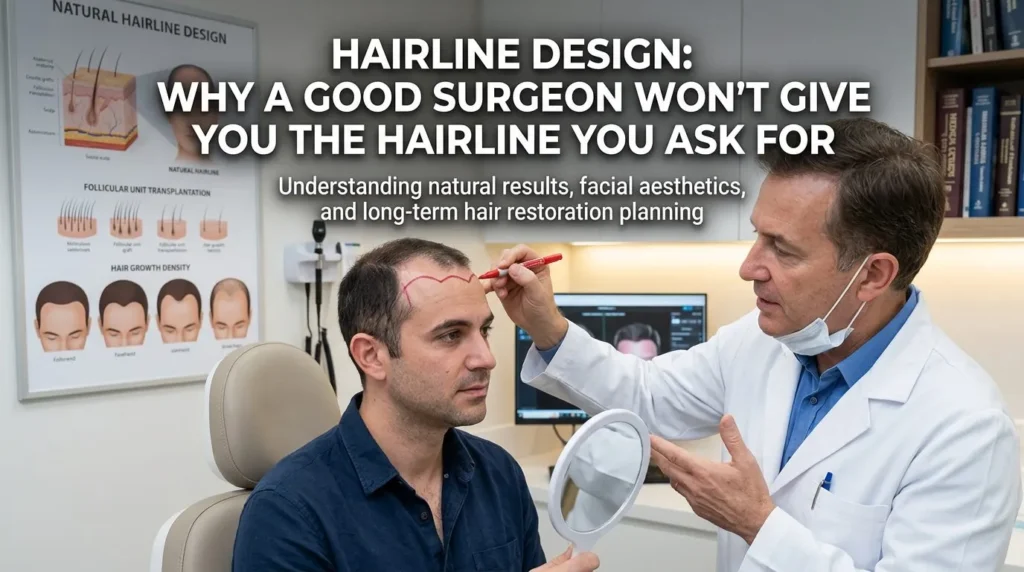
Why a lower hairline isn’t always better, what a mature hairline design looks like, and how your donor supply limits what’s possible.
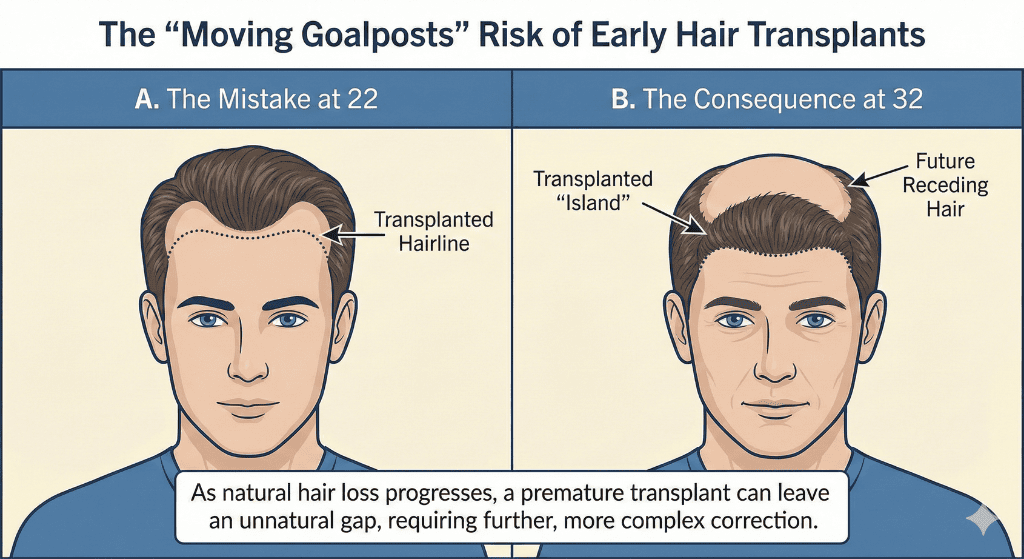
Why surgeons are cautious about operating on young patients, what the data behind that caution shows, and when an early transplant can make sense.
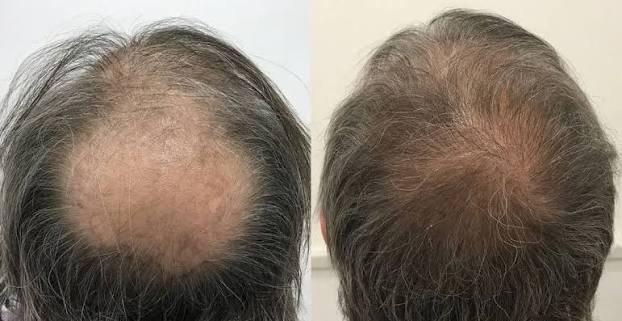
Why the crown uses more donor hair, grows in a spiral, and can leave an “island” of hair over time, and how surgeons plan around it.

Why people go back for a second procedure, how much donor hair is left, why the 12 to 18 month wait matters, and what changes the second time.
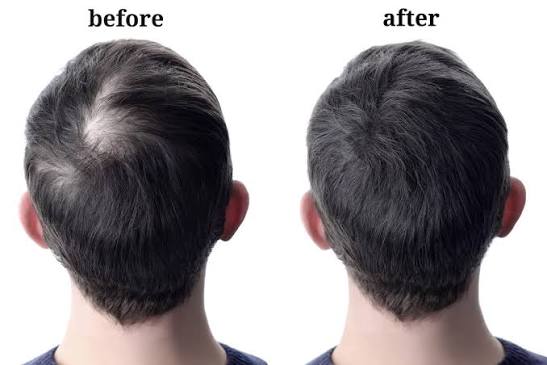
Lighting, camera angles, styling products and timing: the common ways before/after photos mislead, and what a transparent set of results looks like.

Where hair transplant regret usually starts, why early doubts differ from long-term ones, what to do if you already regret it, and questions to ask beforehand.
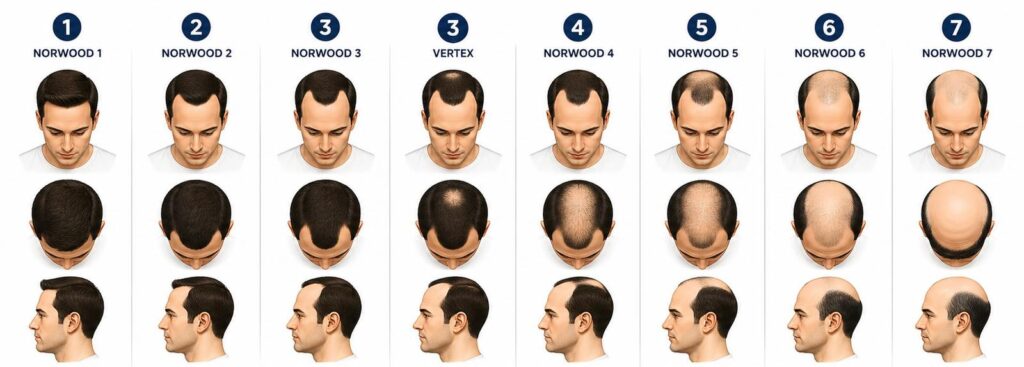
What results can realistically look like at Norwood stages 2, 4, 6 and 7, and how the stage of hair loss shapes the plan.